rabota
Teeth and Kidneys in Dogs and Cats
Dogs
194
3 min
Oral health in dogs and cats is closely connected to the overall condition of the body. Dental and gum problems can cause not only pain, discomfort, and difficulty eating, but may also affect the function of internal organs, including the kidneys.
In this article, we will explain how infections in the oral cavity can influence kidney health in pets, which symptoms should not be ignored, and why regular dental checkups with a veterinarian are an important part of prevention.
How are teeth, gums, and kidneys connected in pets?
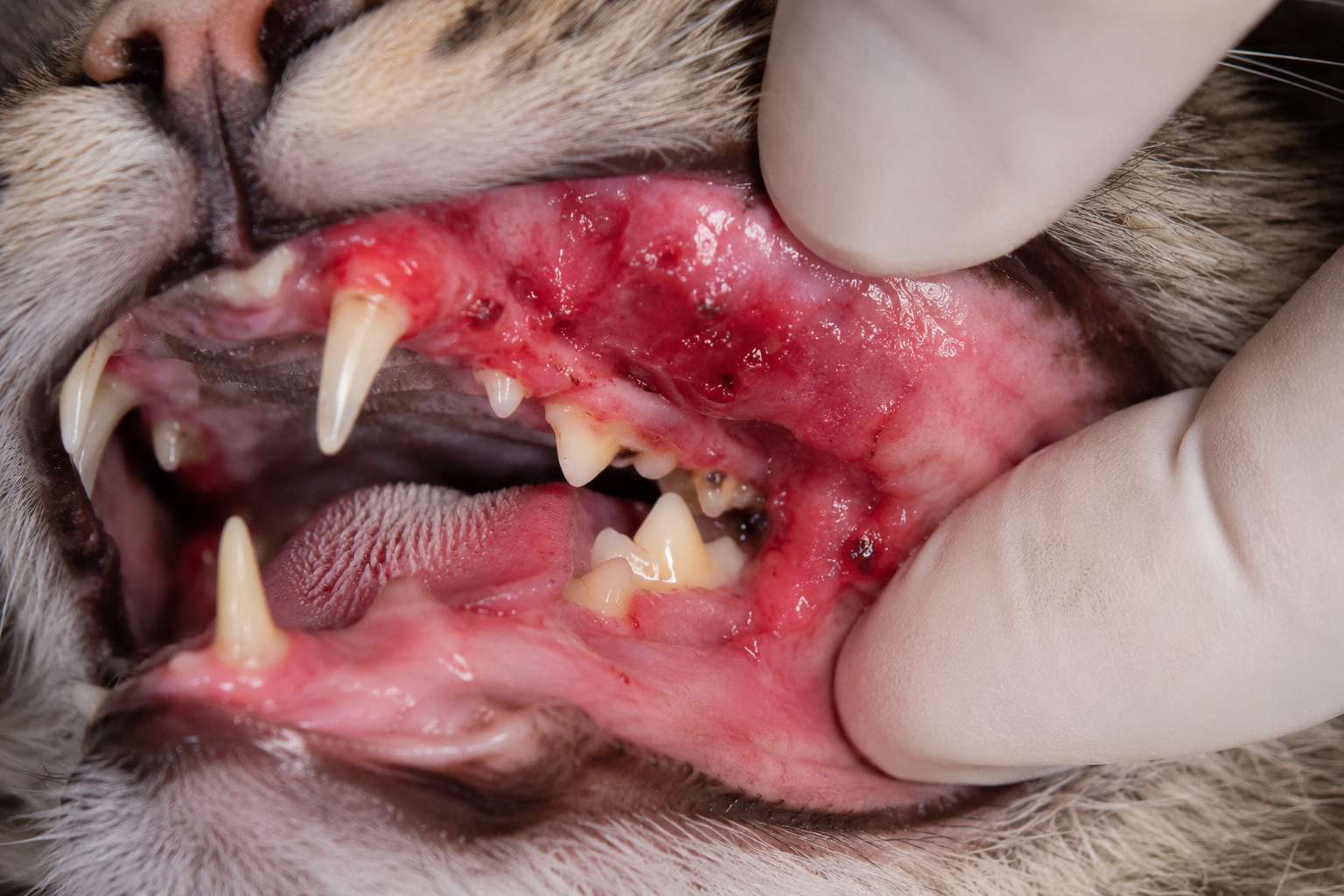
When a dog or cat develops dental tartar, gingivitis, or periodontitis, bacteria begin to accumulate in the oral cavity. If inflammation continues for a long time, bacteria and toxins may enter the bloodstream and spread throughout the body.
The kidneys are responsible for filtering the blood and removing toxins and waste products. When a chronic source of infection is present in the body, the kidneys may experience additional strain. This can be especially dangerous for older pets and for dogs or cats that already have chronic health conditions.
Why can dental disease be dangerous?
- Bacterial infection. Inflamed gums and damaged teeth create favorable conditions for bacterial growth.
- Toxins entering the bloodstream. Bacterial byproducts can affect internal organs.
- Increased kidney workload. The kidneys have to filter the blood more actively, which may negatively affect their condition.
- Chronic inflammation. Long-term inflammation can weaken the pet’s immune system.
- Reduced appetite and quality of life. Pain in the mouth can make it difficult for a pet to eat normally.
Symptoms that should not be ignored
Dog and cat owners should not delay a visit to a veterinary dentist if they notice any of the following signs:
- bad breath;
- dental tartar or yellow-brown plaque;
- redness, swelling, or bleeding of the gums;
- chewing on only one side of the mouth;
- refusal to eat dry food or decreased appetite;
- excessive drooling;
- loose teeth;
- lethargy, weight loss, or worsening general condition.
Prevention of dental and kidney-related complications
The best way to avoid serious complications is to regularly monitor your pet’s oral health. Preventive checkups help detect problems at an early stage, when treatment is usually easier and more effective.
The main preventive measures include:
- regular examination of teeth and gums by a veterinarian;
- professional dental cleaning when recommended;
- control of dental tartar;
- proper nutrition;
- home oral care;
- timely treatment of gum inflammation and diseased teeth.
When should you visit a veterinary dentist?
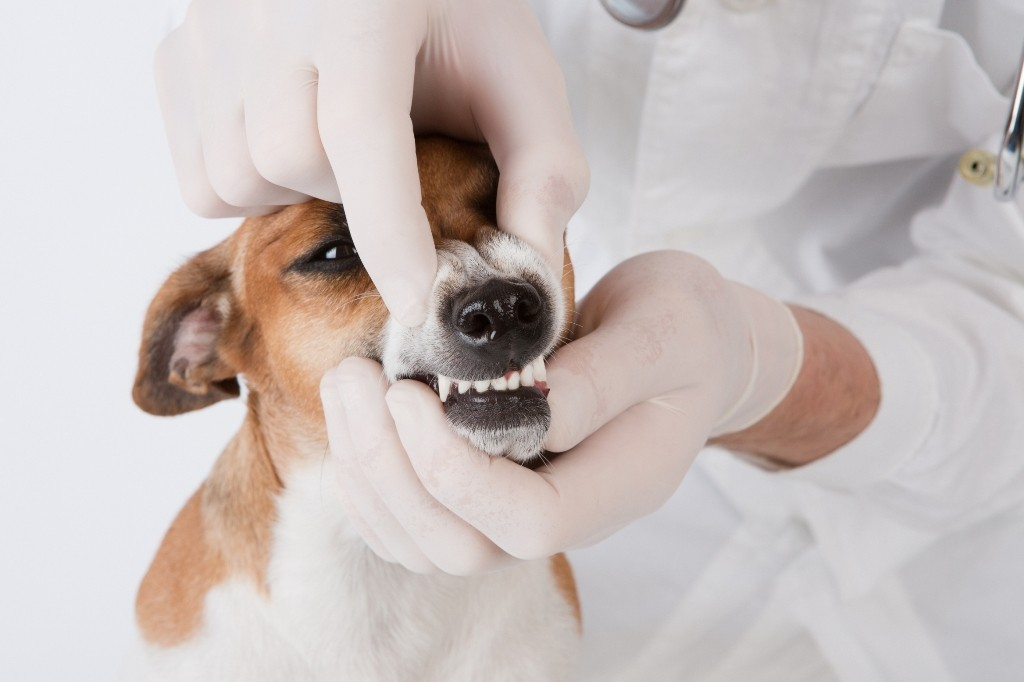
If your dog or cat has bad breath, plaque on the teeth, bleeding gums, or signs of pain while chewing, it is better not to wait until the problem becomes worse. The earlier the diagnosis is made, the better the chances of preserving dental health and reducing the risk of complications for internal organs.
At VetDental, we provide oral examinations, diagnostics, and treatment of dental diseases in dogs and cats. Caring for your pet’s teeth is an important part of caring for the health of the entire body.
Conclusion
The health of teeth and gums in dogs and cats is closely connected to kidney function and overall well-being. Chronic infections in the oral cavity may create additional stress for the body, so regular prevention and timely treatment are extremely important.